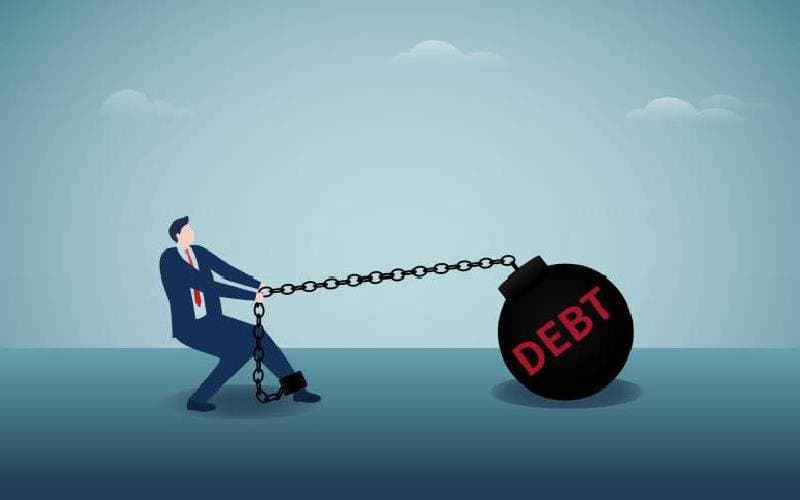
For many business owners, whenever there is a cash crunch, the instinctive response is to borrow. However, according to recent reports, relying solely on credit may not always be the best approach for resolving cash flow challenges.
Experts point out that while credit can provide a temporary reprieve, it can also lead to increased debt and financial strain in the long run. This is particularly true for small and medium-sized enterprises (SMEs), which may not have the financial resources to manage debt effectively.
One of the primary concerns with relying on credit is the interest rates associated with borrowing. High-interest rates can quickly escalate debt, making it difficult for businesses to recover from cash flow issues. Furthermore, the added pressure of loan repayments can divert resources away from core business operations, potentially hindering growth and profitability.
Additionally, credit can also create a culture of dependency, where businesses become overly reliant on external financing to sustain themselves. This can lead to a lack of financial discipline and poor budgeting, ultimately exacerbating cash flow problems.
So, what are the alternatives to credit when facing cash flow challenges? Experts recommend exploring other options, such as renegotiating with suppliers, improving cash flow forecasting, and implementing cost-cutting measures. By adopting a more proactive and sustainable approach to cash flow management, businesses can reduce their reliance on credit and build a more stable financial foundation.
In conclusion, while credit can be a useful tool in certain circumstances, it is not always the right solution for businesses facing cash flow challenges. By understanding the potential pitfalls of relying on credit and exploring alternative solutions, business owners can make more informed decisions and achieve long-term financial stability.
Sources
This report was synthesised from the following coverage: